

If you’re buying property in New York City for the first time or even if it’s been a while, you’ll run into something new: you must now sign a buyer broker agreement before your agent can show you listings.
As of January 13, 2025, the Real Estate Board of New York (REBNY) requires all residential brokers representing buyers to secure this signed agreement before touring properties or negotiating on your behalf. It’s being billed as a transparency measure, but from my perspective, it’s also the result of a flawed national lawsuit that misunderstood how commissions work, especially in NYC.
In this article, I’ll break down how buyer broker agreements came to be, why I believe the original lawsuit mischaracterized the co‑broke system, and most importantly, what this means for you as a buyer. Whether you’re coming from outside the city or haven’t purchased here in years, knowing what’s in this agreement and how it affects your search will help you protect your interests from day one.
Key Takeaways:
- As of January 13, 2025, NYC buyers must sign a buyer broker agreement before touring properties or working with an agent, per REBNY rules.
- The new rule hasn’t lowered commissions; most listings under $10 million still offer a 5% total commission split between the listing and buyer’s brokers.
- The agreement formalizes your relationship with your agent, clarifying duties, compensation, and representation from the start.
Receive the Private Edition
How The Buyer Broker Agreement Came to Be
The National Shift
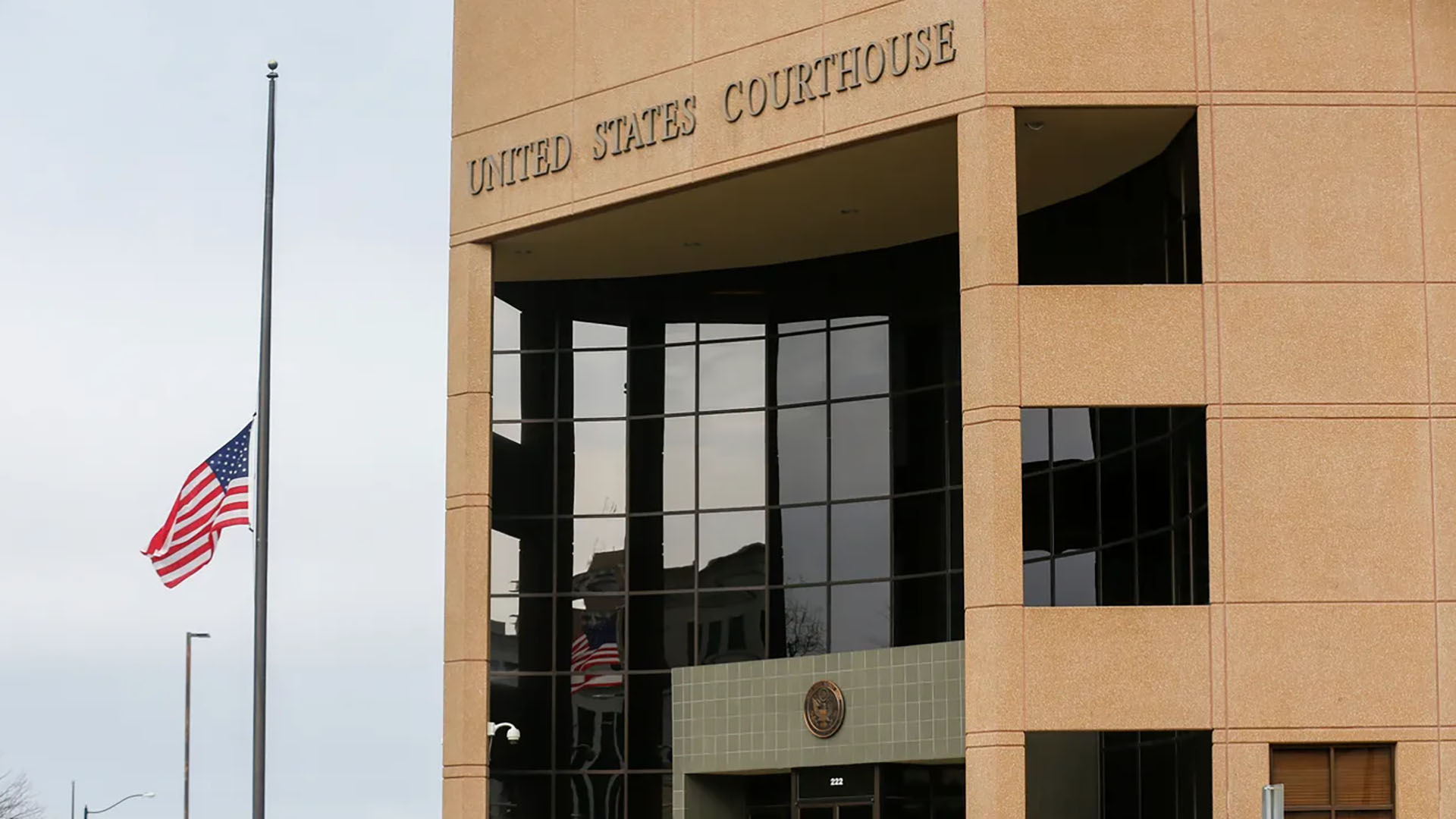
The buyer broker agreement didn’t originate in New York City; it’s part of a nationwide shift in real estate practices sparked by a landmark antitrust case: Burnett et al. v. National Association of Realtors, et al. (filed initially as Sitzer v. NAR). This case was filed on April 29, 2019, in the United States District Court for the Western District of Missouri.
The plaintiffs claimed the traditional co‑brokerage system, where the listing broker sets the total commission (often 5–6%) and shares a portion with the buyer’s broker, was an anticompetitive practice that inflated home prices. In their view, sellers were being forced to pay the buyer’s agent, leaving buyers without a clear picture of commission costs.
The problem? This argument ignored how the market behaves, particularly in high‑service, competitive markets like NYC, where buyers choose agents based on trust and expertise, not just cost.
In March 2024, NAR reached a $418 million settlement, agreeing to make significant rule changes. Chief among them: buyers and their agents must sign a written buyer broker agreement before any home tours or negotiations begin. The goal, according to the settlement terms, was to increase transparency around representation and compensation.
These changes quickly rippled into local markets. In New York City, the Real Estate Board of New York (REBNY) implemented its version of the rule on January 13, 2025, requiring signed buyer broker agreements before agents can represent buyers or show them properties.
The Mischaracterization of Co‑Broke Agreements
The push toward requiring a buyer broker agreement in NYC stems directly from how the Burnett v. National Association of Realtors case framed the traditional commission system. The plaintiffs, supported by their lead attorney, portrayed the long-standing “co‑broke” model as a hidden surcharge that inflated property prices nationwide.
Here’s what happened under the traditional system:
- The listing broker typically negotiates a total commission with the seller, often ranging from 5% to 6%.
- They could choose to share part of that commission (typically 2.5%–3%) with a buyer’s agent to incentivize cooperation.
- The MLS (Multiple Listing Service) was simply a shared database for brokers to exchange listings with agreed‑upon co‑brokerage terms.
- If a listing broker didn’t want to co‑broke, they weren’t obligated to list the property in the MLS at all.
The lawsuit reframed this voluntary arrangement as a systemic requirement that forced sellers to pay the buyer’s agent, thereby inflating prices.
Why this matters to you as a buyer: The change wasn’t made because the old system was failing to meet the needs of buyers in NYC. In reality, buyers here already had access to competitive representation at no direct cost. The new requirement doesn’t lower prices, it just formalizes a process that was already happening behind the scenes.
Why the Logic Was Flawed
The central promise behind separating the seller’s commission from the buyer’s commission was that it would lower costs for consumers. If sellers no longer had to cover the buyer’s agent fee, the thinking went, prices would naturally adjust downward.
But real estate markets don’t work in a vacuum. Lower commission options have been available for decades, yet buyers and sellers rarely choose them. Discount brokers, which charge significantly less than the standard 5% or 6%, have been around in every major U.S. market. In theory, they should have thrived if commission cost alone drove consumer choice. In reality, they’ve never achieved a dominant market share.
According to RealTrends Verified Rankings, the nation’s top-performing brokerages are consistently full-service firms, such as Compass, Anywhere Advisors, and eXp Realty, none of which are discount brokerages. This is also true in NYC, where the co-brokerage structure remains unchanged: listings under $10 million are still commonly offered at a total commission of 5%, with 2.5% going to the buyer’s broker.
Here’s the key point: this rule change isn’t meant to cut your expenses but to formalize commitments sooner in the process. In high-value markets such as NYC, buyers select agents based on their skill and trustworthiness as advisors in major financial decisions, not because they are the cheapest.
The NYC Market: What’s Changed
Before the Buyer Broker Agreement
In New York City, commission structures have long been straightforward, at least for the agents. Properties under $10 million were typically listed with a 5% total commission, split evenly between the listing broker and the buyer’s broker at 2.5% each. Buyers can work with an agent without signing any formal commitment, allowing them to tour properties or even work with multiple agents simultaneously, casually.
After the January 13, 2025, Rule Change
With REBNY’s new policy, a signed buyer broker agreement is now required before an agent can show you a property or negotiate on your behalf. This applies whether you choose an exclusive or non-exclusive arrangement.
Under the agreement, you’ll need to:
- Specify the type of representation (exclusive or non-exclusive).
- Outline the commission arrangement and whether you, the seller, or both may be responsible for payment.
- Agree on the term length of the relationship and how it can be terminated.
The goal, from REBNY’s perspective, is transparency, ensuring you understand your agent’s role, duties, and how they’ll be compensated from the outset.
What Hasn’t Changed
Despite the paperwork, the underlying economics of NYC real estate remain much the same. Most listings under $10 million still carry a total commission of around 5%, with 2.5% to the buyer’s broker. High-service representation remains the norm, and agents compete primarily on reputation, relationships, and results, rather than slashing fees.
What Buyers Need to Know Before Signing
For many buyers, especially those from outside NYC, the buyer broker agreement can feel like an extra layer of red tape. But it’s a formalization of a relationship that, in practice, has always existed between you and your agent. Understanding the agreement before you sign is crucial to ensuring your interests are protected.
1. Understand Your Agent’s Role
Your buyer’s agent is your advocate. They search for properties, arrange tours, evaluate comps, negotiate terms, and guide you through the closing process. Under REBNY’s new rule, they can’t do any of this until you’ve signed the agreement.
2. Exclusive vs. Non‑Exclusive Agreements
- Exclusive Buyer Agreement – You commit to working solely with one agent for a set period. If you buy during that time, your agent is entitled to the agreed-upon commission, even if you find the property yourself.
- Non‑Exclusive Buyer Agreement – You can work with multiple agents, and only the one who represents you in the purchase earns the commission. These are less common in NYC, but still an option.
3. Key Questions to Ask Before You Sign
- Commission Structure – How much is the agent’s commission? Will the seller cover it, or could you be responsible for part of it?
- Term Length – How long does the agreement last? Can it be shortened or extended?
- Termination Clauses – If you’re unhappy, what’s the process for ending the agreement?
- Scope of Services – What exactly will your agent do for you? (e.g., property tours, contract negotiation, inspection oversight)
Signing a buyer broker agreement is less about locking you into a fee and more about ensuring everyone’s responsibilities are clear. It sets expectations, defines how your agent is compensated, and creates a legal obligation for them to put your interests first.
My Take — Why This Wasn’t the Fix
From the start, I’ve believed that the premise behind the national lawsuit and the resulting buyer-broker agreement requirement was flawed. The case against the old co-brokerage system framed it as a hidden cost that inflates home prices. However, the truth is that separating the seller’s fee from the buyer’s fee was never going to bring down prices, especially in markets like NYC.
We’ve already had decades of “low‑fee” options in the form of discount brokerages. If price alone drove consumer choice, those firms would dominate. Instead, RealTrends’ Verified Rankings show that the nation’s top producers are consistently full-service brokerages, not discount models.
The NYC market proves this point even more strongly. Commission rates here have not shifted meaningfully since the January 2025 REBNY rule change. Most listings under $10 million are still offered at a total commission of 5%, with 2.5% going to the buyer’s broker. The main difference is that you now formalize the relationship with your agent before touring a property.
Buying a home is one of the most significant financial and personal decisions you’ll ever make. In high-value markets, people choose their real estate agent with the same scrutiny they would a lawyer or financial advisor. They’re looking for expertise, negotiation skills, and trust, not the cheapest option on the menu.
Bottom Line for NYC Buyers
If you’re buying in New York City in 2025, expect to start your home search by signing a buyer broker agreement. It’s now a required first step, not an optional formality. While it changes how your relationship with an agent begins, it hasn’t reduced commission rates or altered the competitive nature of the market.
The NYC real estate landscape is still driven by relationships, reputation, and results. Commission structures for most listings remain around 5% total, split between the listing and buyer’s broker. What’s new is that you’ll have a clear, written agreement spelling out your agent’s duties, your obligations, and how compensation will work before you see your first property.
Approach the buyer broker agreement in the same manner as you would any professional service contract: read it carefully, ask questions, and ensure the terms align with your needs. The right agent will welcome those conversations and the wrong one won’t.